Imaginary Play from BabyCenter

http://www.babycenter.com/0_how-to-raise-an-imaginative-child_65586.bc?scid=preschooler_20120626:3&pe=MlVBUVFYYnwyMDEyMDYyNg

It’s no surprise if by now you find yourself living with a princess, a unicorn, Batman, or a Tyrannosaurus rex. Children are hardwired to be imaginative, and your preschooler’s imagination has really gotten rolling. And you get to be privy to more and more of her make-believe world, now that she has more sophisticated verbal skills.

Although you could sit by and watch the fun, it’s even better if you join in now and then. “A preschooler’s imagination develops naturally, but there’s a lot you can do to spark it,” says Kristi Alexander, a pediatric psychologist at AlliantInternationalUniversity in San Diego. “As you expose her to new sights, sounds, and sensations, you open her mind to a bigger world.” At each stage of your child’s imaginative development, listening to her and taking part in her games (when you’re welcome, of course) will help you keep up with what she’s thinking. And who knows? You might revitalize your own imagination in the process.

How your preschooler’s imagination works

Your preschooler has probably gotten the hang of thinking abstractly: The couch can easily become a ship at sea, and her toast makes a perfectly plausible telephone. Now she may also engage in increasingly social games of pretend — playing “kitty family” with you, for example. (Warning: She’ll probably be the mama cat, and you’ll get the role of helpless kitten.)

Why encouraging imagination is important

An active imagination helps your preschooler in more ways than you might think.

Improving vocabulary. Children who play imaginary games or listen to lots of fairy tales, stories read aloud from books, or tales spun by those around them tend to have noticeably better vocabularies.

Taking control. Pretending lets your preschooler be anyone he wants, practice things he’s learned, and make situations turn out the way he wants. Stories where the brave little boy thwarts the evil witch or playacted fantasies of being the one to rescue his fellow pirates from that sinking ship give him a sense that he can be powerful and in control even in unfamiliar or scary situations.

Learning social rules. Getting along socially can be tricky at any age. When your preschooler joins the other kids in the sandbox to create a castle out of sand, sticks, and leaves, she’s not only exploring a fantasy world, she’s learning complex, real-world rules about sharing, social interaction, and resolving conflicts.

Solving problems. Dreaming up imaginary situations teaches your child to think creatively in real life. Whether at school or at home, it’s often adults who decide what children will do and how they’ll do it, and it’s adults who solve any problems that arise. But in play, kids decide what to do and how to do it (how to capture the monster, for example), and how to solve problems (anything from what to do about Bobby’s skinned knee to how to include a pouty playmate who feels left out).

What you can do to spark your preschooler’s imagination

Read books. Reading stories together about unfamiliar lands and people is a good way to fuel your child’s fantasy life, and books that expand her vocabulary of words and images will help, too. (How can you imagine sailing a pirate ship if you’ve never seen one?) With storybooks, she can explore visual details, make up stories, and “read” to herself. If you’re reading the text, stop often to explore the pictures and talk about what’s happening: “Imagine how Annie must have felt when she lost her sister’s ring!” Encourage your preschooler to make up her own endings to the stories you read. Read about the world, show her pictures of everything from beetles to pinwheels, and explore in further detail those things that interest her most.

Share stories. Telling your own made-up stories is just as good for your child’s imagination as reading a book together. Not only will your tales provide a sense of possibilities for his inventive thinking, they’ll demonstrate the basics of creating characters and plots. And using your child as the main character is a great way to expand his sense of self.

Before long, your preschooler will offer her own narratives and adventures. In fact, because her understanding of the difference between reality and fantasy is still limited, she may occasionally make up a wild story she fully expects everyone to believe. Play along and enjoy her creativity — as long as it’s all in good fun. If your child is frightening herself with a scary tale (e.g., there’s a monster in her closet), put on the brakes and clarify what’s real and what’s not.

Another idea: Trade off lines of a story. While you’re driving, say to her, “Once upon a time there was a dog. She lived with a little girl, and they liked to go to the park. One day…” Then give your child a turn. Let her tell the fun parts, like naming the girl and the dog and describing the climax and the ending.

Relish her artwork. For most preschoolers, exploration of materials is the most important aspect of making art. So as she works with the supplies you’ve given her — water, clay, sand, dough, paints, papers, buttons, ribbons — respect the process. For her, a piece of cardboard glued onto some colored paper is a good enough result. She doesn’t want or need to hear that her finished puppet “should look like this.”

Even “pictures” at this point will be largely lines and shapes on the page, though by age 4 many kids start dabbling in representational drawing. When your preschooler draws a picture, rather than trying to guess what it is (unless she’s a budding Rembrandt, chances are you’ll guess wrong anyway), ask her to interpret it for you. Instead of “What a beautiful house!” say, “What cool colors you’ve used! What’s happening in this picture?”

Make music. Although your child probably isn’t ready for structured piano lessons, you can still fill her world with music. Listen to a variety of tunes together, and encourage her to participate by singing, dancing, or playing homemade or toy instruments. She can follow along with a song being played, or make up her own, complete with lyrics. (Be sure to have a video or audio recorder on hand!)

Encourage pretend play. Children learn a lot from dramatizing events from their daily — and fantasy — lives. When your preschooler invents a scenario and plot line and peoples it with characters (“I’m the daddy and you’re the baby and you’re sick”), he develops social and verbal skills. He’ll work out emotional issues as he replays scenarios that involve feeling sad, happy, frightened, or safe. Imagining himself as a superhero, a horse, or a wizard makes him feel powerful and gives him a sense of what it’s like to be in charge. And he develops his understanding of cause and effect as he imagines how you or his friend or his cat would behave in a particular situation. He’s also exploring the world of discipline, since he’s making the rules, either by himself or with the help of a playmate (the array of intricate rules kids come up with always astounds adults).

Provide props. Towels become turbans, plastic bracelets become precious jewels, old bathroom rugs turn into magic carpets, and that moth-eaten collection of stuffed animals transforms itself into a rain forest, animal hospital, or farm. Because preschoolers love to take on the role of someone else — a parent, a baby, a pet — a simple object like a toy cash register or a chalkboard can be all that’s needed to spark creative play. Since most of the action takes place inside your child’s head, the best props are often generic, and detailed costumes modeled after specific cartoon characters or action figures aren’t really the ticket here.

Providing a special box or trunk to hold pretending paraphernalia can make fantasy play even more of an adventure, especially if you occasionally restock when your child’s not looking (“Let’s see what’s in the trunk today!”). Including more than one of the same item can help, too, since two pirates or princesses are always better than one.

Use the computer judiciously. Just because tech companies are churning out software for kids doesn’t mean your child will turn out computer-illiterate if she doesn’t do daily computer time. Still, there are some quality programs for preschoolers that can spark your child’s imagination, from drawing, painting, and music software to virtual treasure hunts. And the Internet can be an invaluable resource for looking up topics of interest — hunting down the latest photos of Jupiter or colorful pictures of a coral reef — and for exposing your child to different cultures and ideas from around the world.

Limit TV time. When it comes to your child’s TV viewing, less is better. There are some excellent programs out there that teach kids, say, how a baby kangaroo behaves or how other kids their age live in Japan, and you can record shows to provide quality programming at convenient times. But don’t overdo it.

Movies and TV shows tend to limit a budding imagination since they do the visualizing for your child. The AmericanAcademy of Pediatrics recommends that children aged 2 and over stick to no more than one to two hours of entertainment media per day. Resist the temptation to use TV as an electronic babysitter; instead, sit and watch along with her, posing questions, expanding on ideas presented in the show or movie, and finding out what strikes her as most interesting.

How to live with your preschooler’s imagination

Set limits. Creating and enforcing rules — no hitting with the “sword” — is crucial for everyone’s sake. But if you can, let your child live for a bit with the reminders of her flights of fancy. The fact that the dining room table isn’t available for dinner because it’s currently serving as an igloo gives you the perfect excuse to have a “picnic” on the living room floor.

Accept her imaginary friend. Experts believe that having an imaginary friend is a sign of a creative, social child who’s found a way to help manage her own fears or concerns. Some studies suggest as many as half of kids have an imaginary pal at some point.

However, if your child starts blaming the buddy for something she did, it’s time for a reality check. You don’t need to accuse her of lying, but do address the behavior. Have your child, along with the imaginary sidekick, rectify the situation (clean up the mess, apologize, etc.) and make it clear the act was unacceptable.

Keep messes manageable. Yes, reenacting the story of Hansel and Gretel might lead to a trail of crumbs through the living room. If you have the space, it’s a good idea to designate a room, or part of a room, as an arts and crafts corner, where your child is free to create without worrying about making a mess.

Some containment strategies can also help: Old button-down shirts make great smocks when worn backwards with the sleeves cut off, plastic sheeting under the Play-Doh construction site can protect the rug, and large sheets of butcher paper over the crafts table can prevent an encrusted layer of multicolored paints or glue.

Enjoy the offbeat. When your child wants to wear his space commander outfit to preschool for the third day in a row, it’s tempting to say no. Adults are socialized to draw strict lines between “public” and “private” behavior — your funky gray sweatpants and rabbit slippers are fine around the house, but not at a restaurant — and it’s hard to realize children don’t think that way. But if you find yourself forcing a confrontation (“Take off your Halloween costume now“), remember that your preschooler doesn’t recognize these boundaries yet, and consider letting it go. In the grand scheme of things, a kid in a kooky outfit may not be worth worrying about.

Tuesday: A Poem for LC from her Marmee

Tuesday

I’ll do it Tuesday she says
when asked to put away her toys.
Put on your socks we say
and learn they’ll be on her feet on Tuesday.
Time to get up for breakfast,
just two more minutes she says
and snuggles deeper into the blankets.
OK, now hurry to the potty but that
too will happen next Tuesday.
So a three-year old processes
her world and all those times
she’s heard about from adults.
Two minutes more, next Tuesday,
right now are all one
and all wonderful.

Brenda Robert
October 1, 2012

For LC, After Her First Birthday: A Poem

For LC, After Her First Birthday

What can I say about a toddler who eats zucchini “noodles”
with garlic sauce at the raw food restaurant
who signs “all done” when through eating and also means
all done with sitting in this bleeping high chair
so get me out of here fast mom or I’ll be yelling and I
mean really, really loud.

How much love is there in this child who waves and says
“Hi” to everyone she meets in the food co-op
who blows kisses to the dog in an adjacent car
who plays throw and retrieve the ball
with her dog-sister Maddy who may not be enjoying
the game quite that much, if at all.

Can you measure the determination powering this girl
who takes each challenge and wrestles it to the ground
until she triumphs over that chair she wants to climb into
or some step blocking her way or the yogurt she insists on
eating with her fingers and don’t help me at all, please,
you know I want to, have to, do it all myself
help. not. needed.

What lies out there in the world for this freshly formed person
who delights in each day and the wonders it will hold
who embraces the new and welcomes it to her heart
whose thirteen-month lifetime has grown butterfly wings
like silk so fragile and so incredibly strong
that will lift her gracefully until she is ready to soar.

Brenda Robert
August 1, 2010

Best Elementary School Nationwide

 Parenting.com

All the teachers at Freedom 7 Elementary School in Cocoa Beach, FL, have large, oblong heads and big Cheshire-cat smiles that occupy the majority of their large, oblong heads. At least that’s how they are portrayed in the student-drawn portraits that tile the school’s administrative office.

The office door opens. “OK, you all can follow me,” says a woman with a walkie-talkie. (Not smiling; typical cranial shape.) She’s taking a gaggle of parents on a tour. We stroll down Creativity Court (all of the school’s walkways have names like this), and pop in and out of classrooms. Piles of nails, screws, pennies, and keys sit on the counter of the science laboratory. Inside the library, a poster of a Magic Marker-ed snake reads “Got Ssss-shots?” (The students have been learning about poverty and disease.) The playground is on the corner of Appreciation Avenue and Integrity Boulevard.

This is what one of the best elementary schools in America looks like. In its state assessments, Freedom 7 performed better than 99.8 percent of Florida’s elementary schools.Neighborhoodscout.com, a research and data website that ranks schools based on national and state-specific test scores, reports that Freedom 7 is the best public elementary school in the South. Moms and dads are required to volunteer 20 hours every year, or their child isn’t reenrolled. Because of its reputation, the school receives parent inquiries from as far as Mexico and South America.

http://www.parenting.com/article/best-school?cid=searchresult.


Hidden Sugar in Kids’ Foods

Other posts with recipes

I read the label on the bottle of chocolate milk and saw that it had 22 grams of sugar. That can’t be good.

Suggestions:

1. Look for cereals with less than 5 grams of sugar per serving. Better yet, go with homemade oatmeal or porridge (Lisa’s suggestion!)

2. Look for canned fruit packed in water or rinse out your syrup packed fruits.

3. Low-fat peanut butter. Lots of peanut butters have tons of sugar. (I actually go with the natural peanut butters myself and make sure there isn’t any added sugar.)

4. Skip the flavored yogurt and go for plain and put in your own fruit.

5. No fruit leathers. They have corn syrup, artificial flaors and partially hydrogenated vegetable oils which should be avoided.

Painting Rocks: Another Way to Get Creative with Your Kids


Lake Superior is one of the largest fresh body lakes in the U.S. and a favorite vacation place for most people who live in Minnesota. My daughter, a friend and I visited this area for a few days ago and had a lovely time. There is always a cool breeze rolling off the lake even when the sun is out.

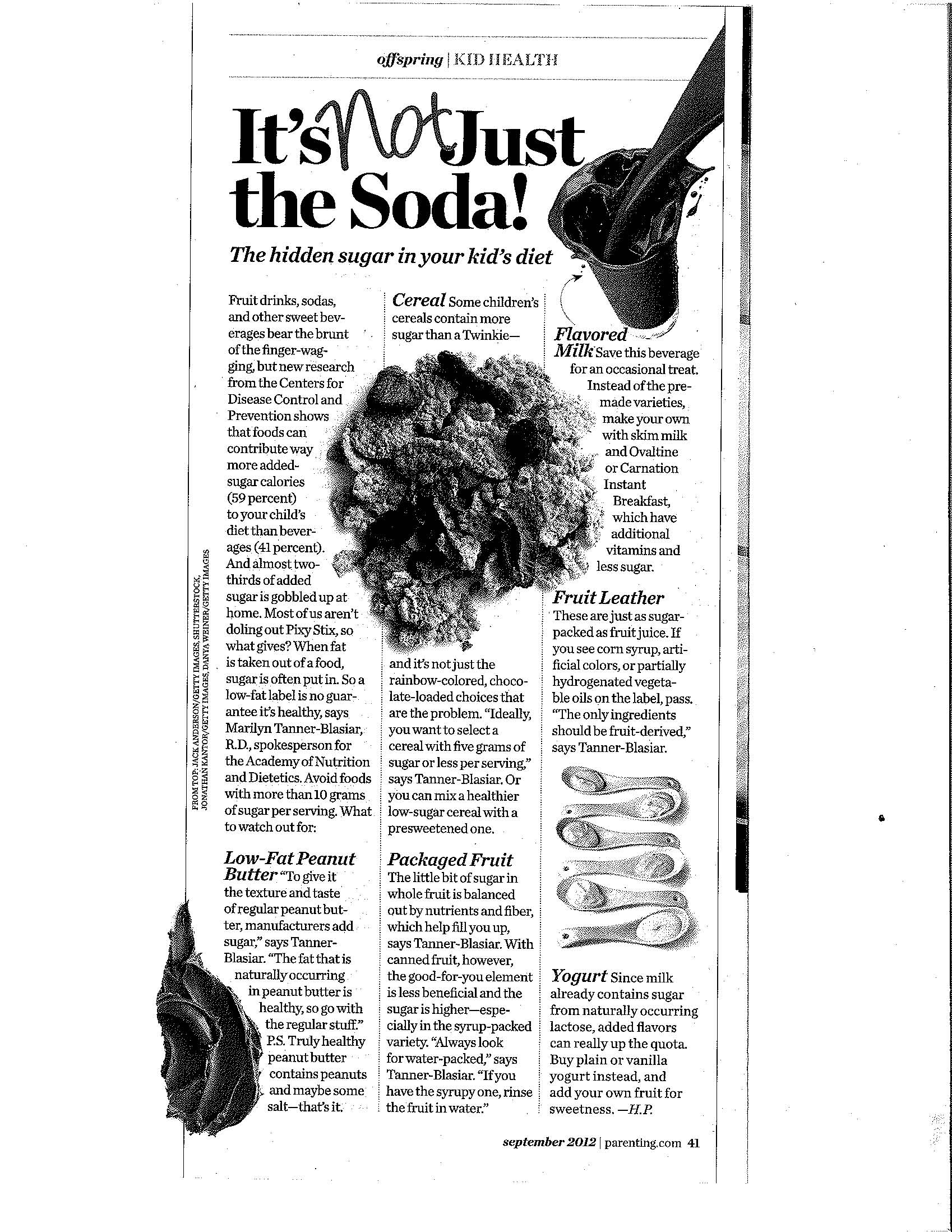
While walking on the beach we decided to gather some rocks, polished by the wind, water and rain, to take home and paint for the garden. Here we are collecting rocks.

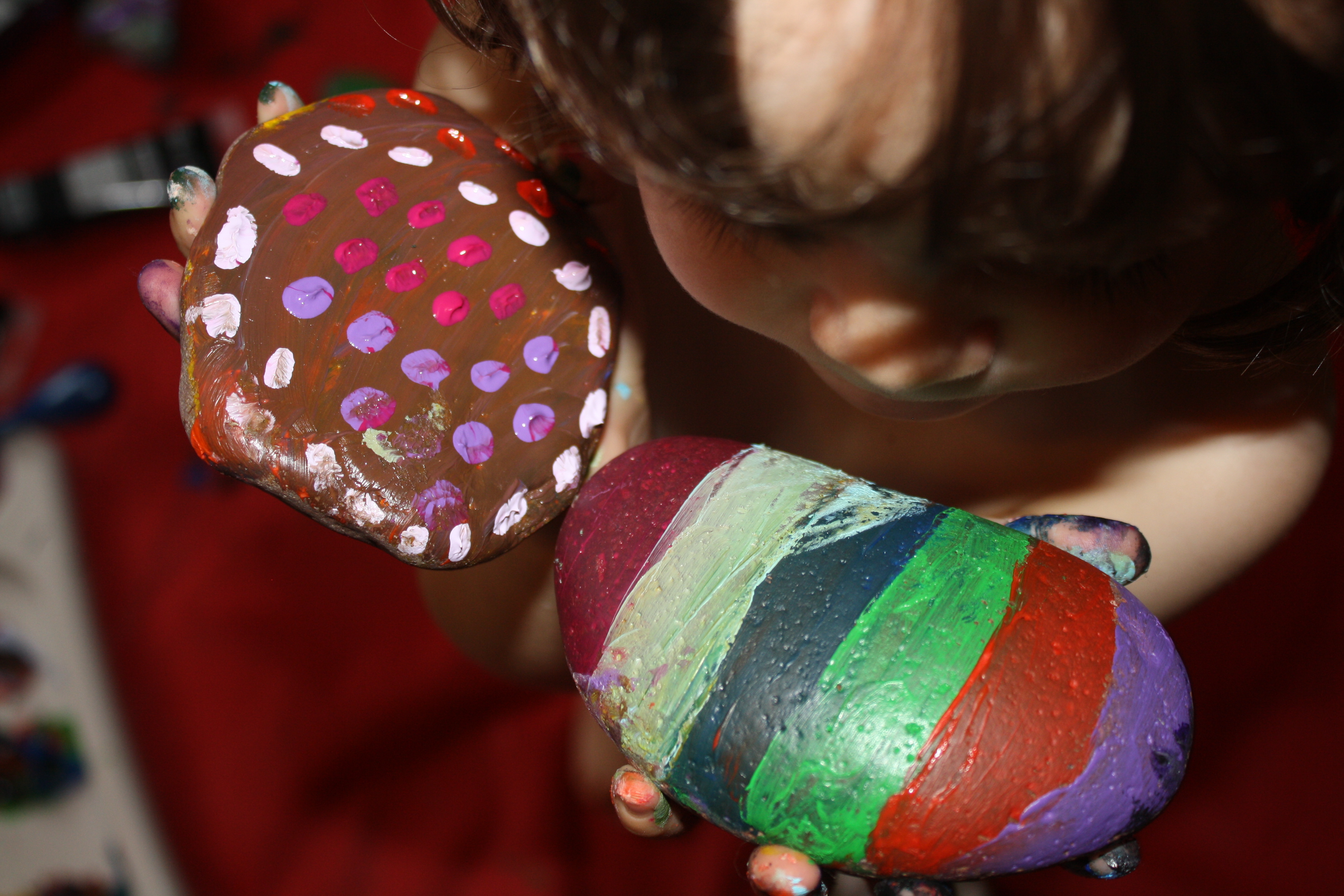
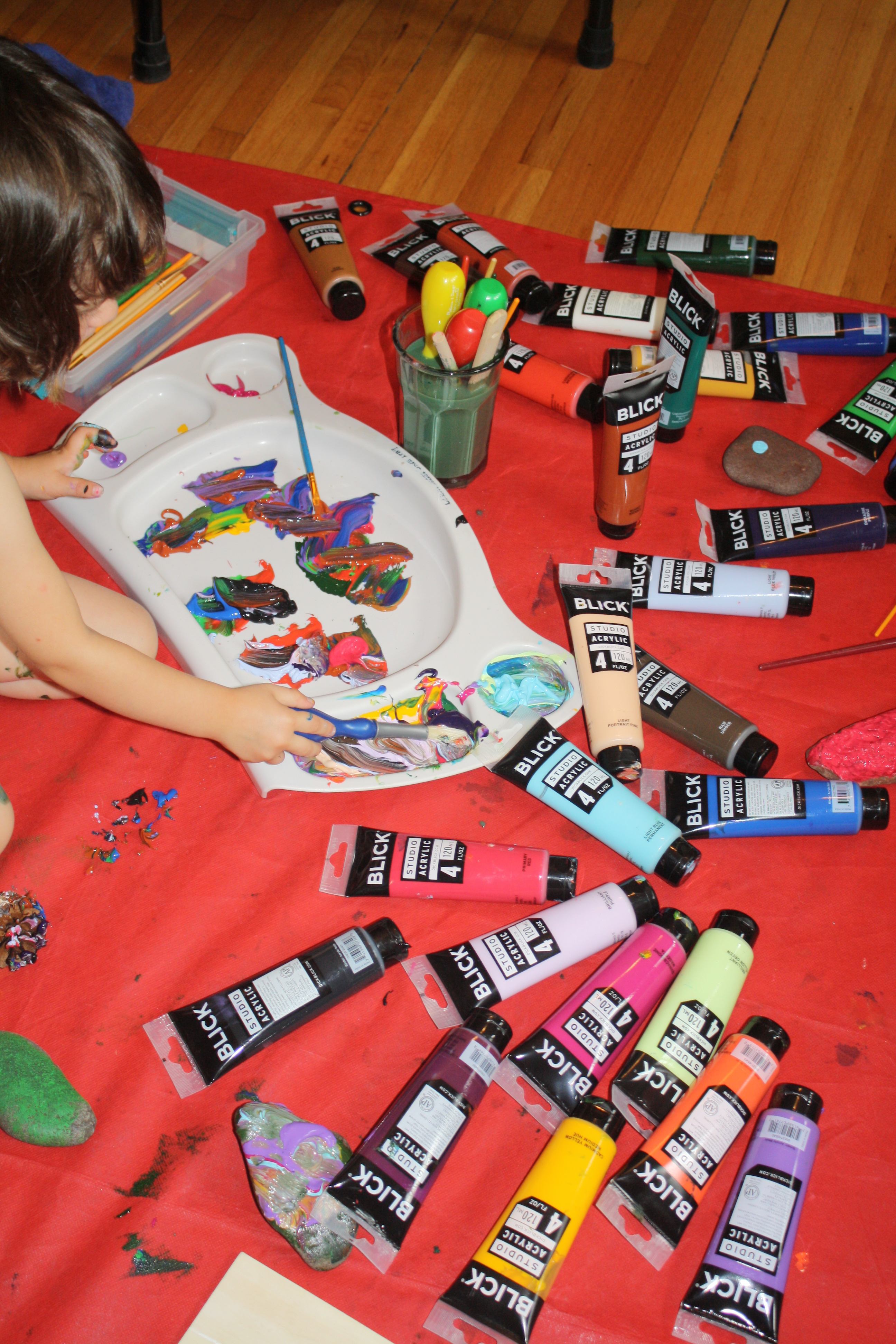
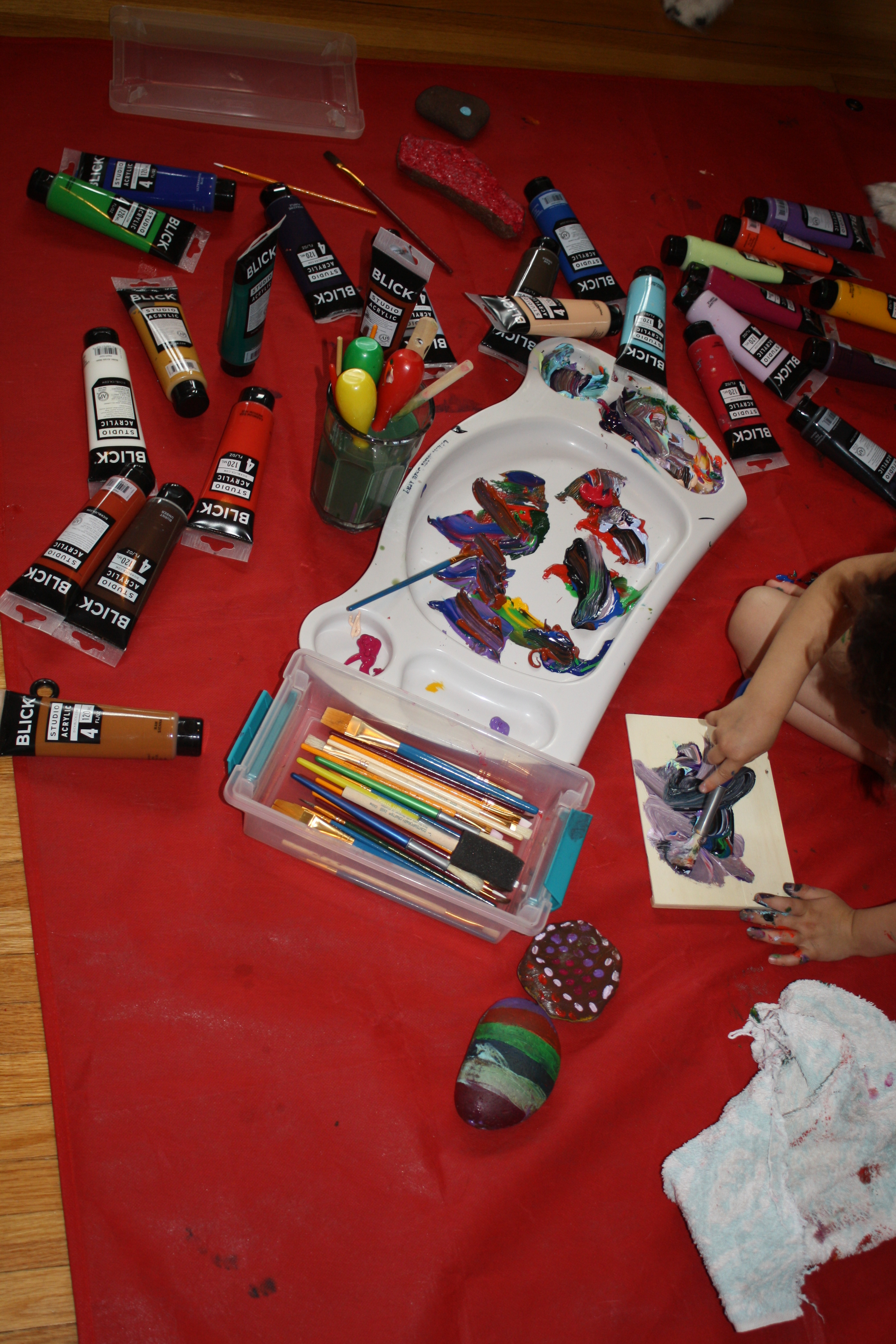
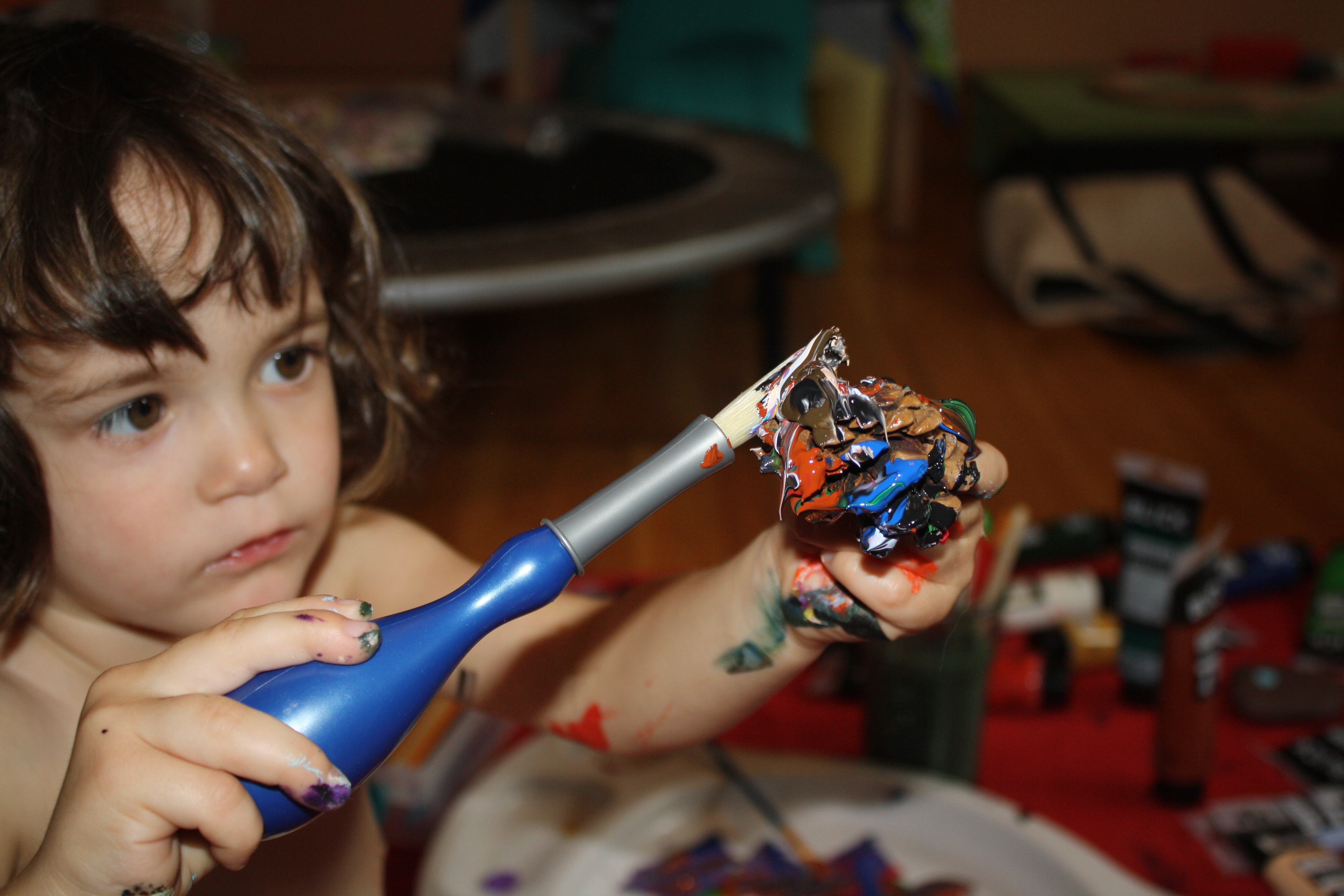
At home we pulled out the acrylic paints and brushes. I used a highchair tray as the palette.


A pinecone also turned out to be fun item to paint.


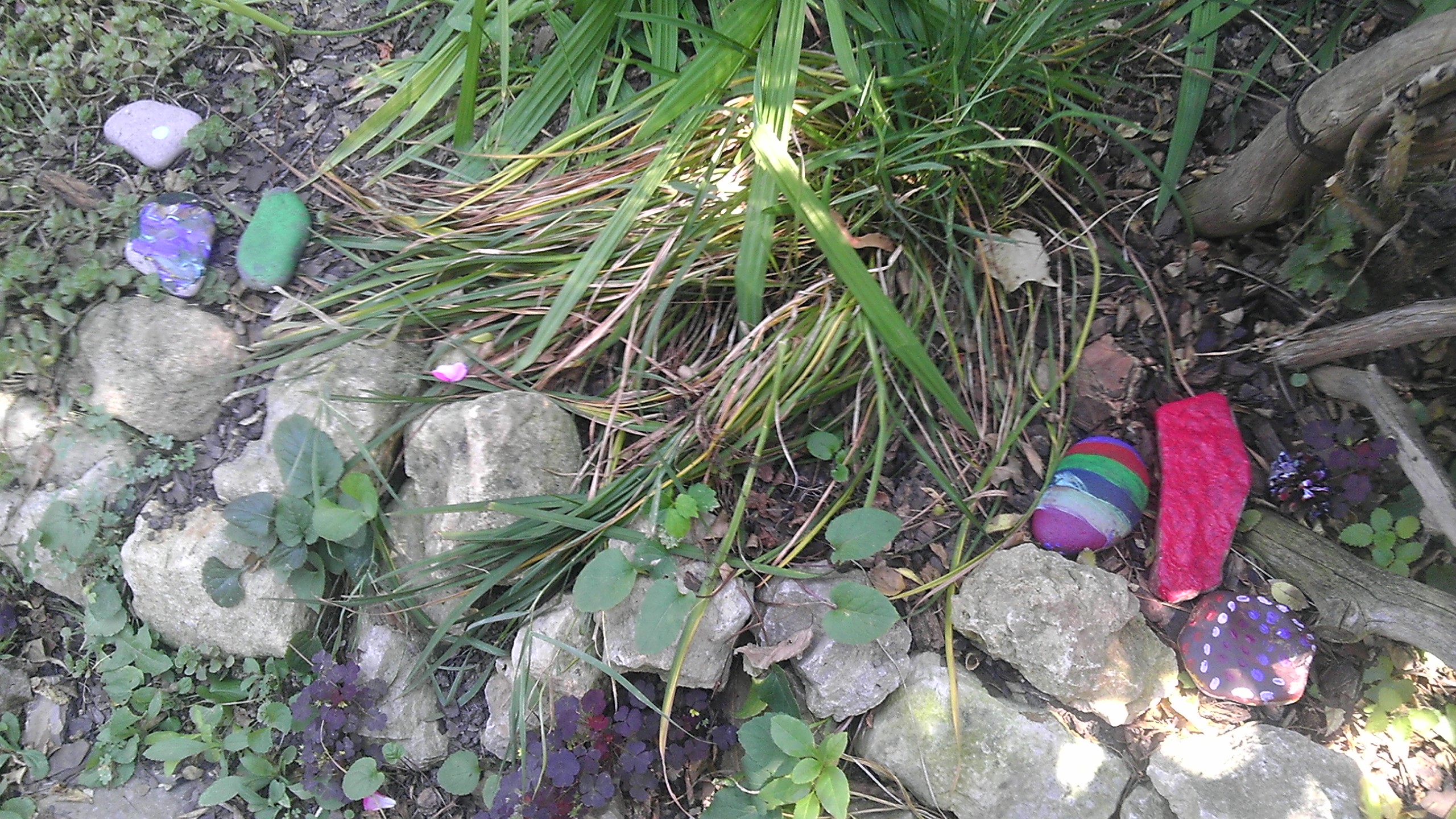
The fruits of our labor were put into the back garden for all to enjoy and as a reminder of our creative endeavors.


So get out and get creative! See what you can come up with.

A message to all those promoting outdoor learning

Wyre forest school fire steel

A message to all those promoting outdoor learning.

From: http://rethinkingchildhood.com/2012/07/09/outdoor-learning/#more-2001

Written by Tim Gill

This weekend saw the launch of a new national body for those working in UK Forest School settings. I have agreed to be the patron of this new body. Sadly I was not able to be at the event in person. At the Association’s invitation, I passed on a message of support, which I thought may be of wider interest:

I am very honoured to be asked to be the patron of the first national association for those working to take forward the Forest School movement. I first heard about Forest School back in the early 2000s, and have been a big fan ever since.

Not that I needed much persuading. As someone who in the 1970s, I roamed freely throughout the large village and countryside where I grew up. So I have vivid memories of the times I spent with my friends in the woods and fields. We scoured rotting tree stumps searching for devil’s coach horse beetles and toads. We gathered horse chestnuts for playground conker tournaments. We picked rosehips and squirted out the insides to rub into each others’ backs as itching powder (though it never seemed very itchy to me).

I am sure many of you have similar memories. I do not doubt that – like me – many of you do what you do because you believe that children today deserve experiences that share some of the magical qualities of everyday adventures like these.

But just what are those magical qualities, and why are such experiences so universal, and so resonant? In my view, there are two reasons. First, they speak of the richness and boundless fascination of the natural world. No matter how humdrum or familiar it may seem to adult eyes, almost any green outdoor space holds mystery and wonder, and invites exploration and investigation, when experienced through children’s fresher, less stultified senses.

The second reason is our lifelong appetite for experience and autonomy. From the earliest age, we human beings have a deep hunger to get to grips with the world around us; to feel a sense of our own agency, of our competences, and of our ability to control our fate.

Thanks to Richard Louv and others, there is growing awareness of the fact that nature is disappearing from children’s lives, and indeed it is the focus for a thriving global movement. The fact that autonomy, freedom and a sense of responsibility are also disappearing from children’s lives is far less well recognized. To see this, just look at the tortuous health and safety tangles that many schools get into in the playground and on school trips.

For me, the potential of Forest School is built on two vital foundation stones: the intrinsic qualities of natural places, and the intrinsic motivations and learning impulses of children. If Forest School is to leave a lasting impression on the lives of the children and young people who experience it, these two need equal emphasis.

This is why I would like to make one plea to everyone here. When your new association gets locked into the minutiae of debates about definitions, and principles, and accreditation, and awards – as it inevitably will – do not forget to revisit those childhood memories. Remember the places you played when you were young, and the things you did there. Remind yourself that at its heart, what Forest School is about is allowing children the space and time to experience the everyday wonders of nature, and to feel what it means to be human.

I look forward to following and cheering on the work of the Association, and I am happy to do whatever I can to help take the organisation forward.

Note: the Association is yet to decide its name. I will amend this post once the decision is made.

Tim Gill is one of the UK’s leading thinkers on childhood, and an effective advocate for positive change in children’s everyday lives. For over 15 years his writing, research, consultancy projects and other work has focused on the changing nature of childhood, children’s play and free time, and their evolving relationships with the people and places around them.

The Power of Modeling Behavior for Children: A Run-in with a Caterpillar

The power of a mother, father or other trusted adult figure to shape a young child’s life is amazing and at times seemingly limitless.

This last week, while out on a walk, I looked down and saw a very beautiful caterpillar. I stopped to point it out to my daughter so that she could admire and experience its beauty as well.

And then I came to a fork in the road. Should I pick it up or leave it on the ground?

Honestly…I had no desire to touch that creepy, crawly, little caterpillar with sticky legs. Yuck.

But I did. I went down the fork I didn’t want to go down. I put my hand in front of it, put a big smile on my face and let that little creature crawl up my hand. Surprisingly, I found myself thinking, “Hey, this isn’t so creepy after all. Not as bad as I thought!” I remembered when I was young and collected caterpillars in a box. Did I let them crawl up my hand then? I can’t remember.

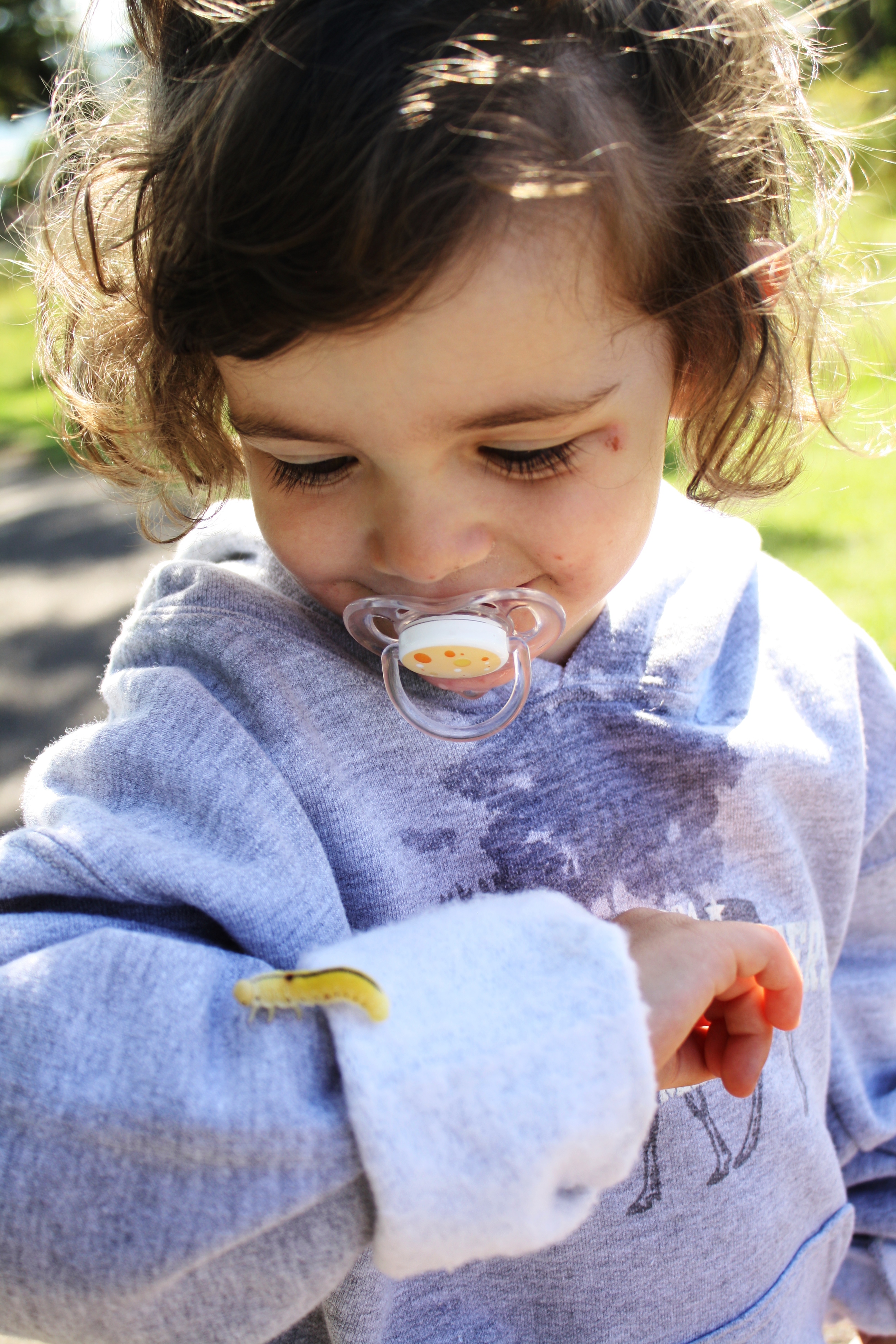
No less than two seconds later the little one below me cries…”I wanna hold it.” The little guy crawled freely around her hand and on her sweatshirt for a long time. She never showed one sign of distress or discomfort. Five minutes later we put it back on the grass to let it go and as we walked away she turned back, crying for the caterpillar, “I wann caerpiwarrrr…”

She was so distressed we went back for a little more of that little guy marching up and down her sleeve.

Wow! She was in heaven. You can see a really genuine, calm happiness peeking out from behind that binky.

Had I said, “No, don’t touch…Icky,” she most likely would never have experienced the beauty of that little crawly thing and would have been one step further away from nature and its glory.

I’m happy for her and proud of myself for taking a leap and putting my finger in front of those sticky little legs. I knew it was the right thing to do and I did it.

It may seem like just a little thing but I would like to believe that the outcome was bigger than that small act.  Little did I know how much the power of modeling would hold for a child of this age and how much joy she would gain as a result.

Yummy, Healthy Pancakes for Kids?: No Problem!

Other recipe posts

What’s better on a Saturday morning than a nice plate of pancakes? Nothing, I say! But, they must be healthy now that I’m raising a little body that is growing like a weed.

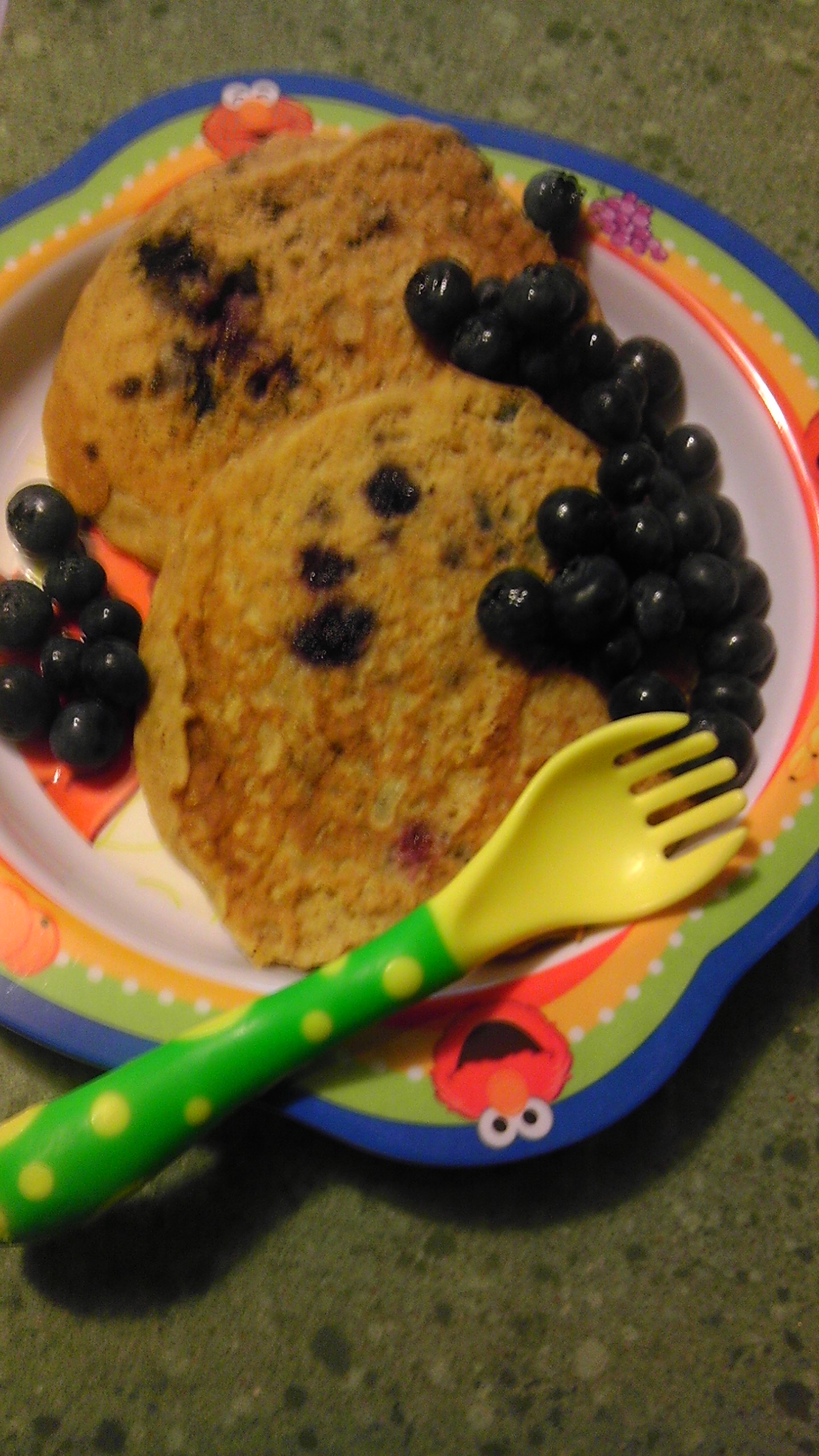
Typically I’ll start out with a high quality pancake mix that already has whole grains in it. Then I start adding stuff – it’s different every time, depending on what I have on hand. Here’s what this morning’s pancakes looked like.

I started out with the Arrowhead Mills Multigrain Pancake and Waffle Mix.

Multigrain Pancake and Waffle Mix

And went crazy from there.

Here’s all that went into my pancakes:

1 cup Arrowhead Mills Multigrain Pancake and Waffle Mix
2 frozen bananas from the freezer
1/2 cup of fresh blueberries
1 container organic pureed pears
1 container organic pureed harvest veggies with grains
1 container organic pureed carrots
1 container lunch box sized apple sauce
1 Tbs whole wheat bran flakes
1 Tbs seven grain hot cereal
1 Tbs ground flaxseed
2 Tbs oil
Enough milk to bring it to pancake mix consistency. Since you’re adding all of these other wet ingredients you don’t really follow the package anymore.

I didn’t have any eggs but normally I would put one or two eggs in the mix as well.

1) The containers of fruits and veggies (except for the applesauce) were all Gerber SmartNourish Organic baby food. Besides the ones listed above I will also use squash or sweet potato. This is just what I happened to have on hand. I usually try to mix up the sweet with the savory. I have also used the pumpkin pancake mix from Target and have added in sweet potato because the flavors are so similar. They are always good.

I have actually found some of these organic baby foods at the Dollar Store (2 containers for a dollar= 1 pack). At Walgreen’s they are $1.79 a pack. Not sure about the regular grocery store. Probably somewhere in the middle.

2) When bananas start to get old I throw them in the freezer. Yes, they will get black but that’s okay. They are still good. I put them in a pitcher or bowl of warm water to thaw them out. After a few minutes of soaking the skin comes right off. They were still a little frosty when they went in the mix this morning but I was able to mash them with a fork and mix them into the pancake mix just fine.

3) Ground flaxseed, wheat bran flakes, wheat germ are all ingredients that you can keep in a tupperware or glass container in your fridge to throw into any baked goods you are making–cookies, brownies, banana bread. No one will ever know they are there and they bump up the fiber in your final product. You don’t even have to measure them. Just sprinkle about a tablespoon over your mix and stir.

4) If you have the time and feel like it, you can also chop up some nuts really fine and throw them in for a little crunch and protein. I like walnuts or pecans.

These pancakes, despite the zillion ingredients, are really super easy and quick to make. There’s nothing to measure; just throw in one or two containers of fruits and veggies, sprinkle in whatever dry goodness you have in the fridge and off you go.

Oh, and another God-send for pancake making? The electric griddle. Here’s one at Target for around $30.00. They are great because you can put six pancakes on at a time and cut your standing around in the kitchen time in half. Plus, more pancakes make it to the plate hot at the same time.

Overall, my pancakes are always a hit! They get rave reviews from both kids and adults alike and no one is the wiser as to what is in them. Today the pancakes mostly tasted like good blueberry sweetness. I was a little nervous when I threw in the carrots because they can have such a strong flavor, so then I specifically chose the pears to offset that possibility. When I realized I had pears, apples, blueberries and bananas in them, I knew I could get away with the pureed veggies, no problem. And I did.

I’m assuming I can also wrap them up and send them in the lunch box as part of a healthy lunch. They are probably still good cold.

Excuse me while I go warm up a pancake! Yum!

Related Posts:

Six Week Bran Muffin Batter 

One of the Best Things a Business Can Do for Parents

Install one of these in the bathroom! They are the bomb!

(Safe-Sitter: Wall Mounted Child Seat)

I will never forget when I was in a grocery store (it was either a Rainbow or a Cub Foods) with my baby and I had to use the facilities. I walked into the bathroom and saw one of these seats. It was a God-send!

Think about it. There you are, in the store, with a baby and a grocery cart. Suddenly you have to go…What do you do? You can’t put your child down on the floor. You can’t push the cart into the bathroom and even if you could are you supposed to leave the door open with the baby hanging out in the cart? 

The only thing you can really do is to either strap the child into the changing table or hold the baby on your lap, which is EXTREMELY inconvenient, to say the least.

Please, for the sake of mothers and fathers shopping with their babies, let more businesses install a seat of this nature! Mothers and fathers around the world will be singing your praises!

From the promotional materials of this product (randomly selected because I happened to take a picture of this brand while in a restroom):

  • Wall mounted Safe-Sitter keeps child safely restrained with a three point Safe-Strap harness belt
  • Unit complete with head and side supports for added protection
  • Seat extends just 12.5″ from wall, and folds up for convenient storage when not in use
  • Easy to clean plastic construction

In my opinion one of the best things a business can do for parents is to install one of these seats in the bathroom (right next to that changing table they undoubtedly have!). It looks like they cost around $85.00. Not a bad investment for happy parents.

I would return to a store with one of these seats if I still had a baby, wouldn’t you?

Related Posts:

No Changing Table at Sebastian Joe’s Ice Cream Cafe (Or at Starbuck’s)

Changing the World: One Changing Table at a Time